
The entry into force of the Crea y Crece Law marks a turning point in the digitalization of Spanish companies. Among its most relevant measures is the mandatory electronic invoicing between companies and professionals, with the aim of reducing delinquency, increasing transparency, and improving tax control. In this context, many organizations are wondering if their management systems are prepared. One of the most analyzed solutions is Odoo, one of the most widely used ERPs by SMEs and large companies.

An evolving legal framework
The Crea y Crece Law establishes electronic invoicing as the general rule in B2B relationships, although its practical application still depends on regulatory developments and progressive timelines based on the size of the company. This forces companies to anticipate and adapt their technological tools to meet the requirements for format, traceability, preservation, and accessibility of invoices.
What does Odoo offer in electronic invoicing?
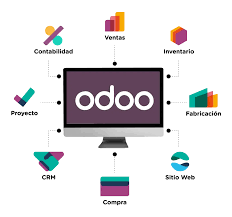
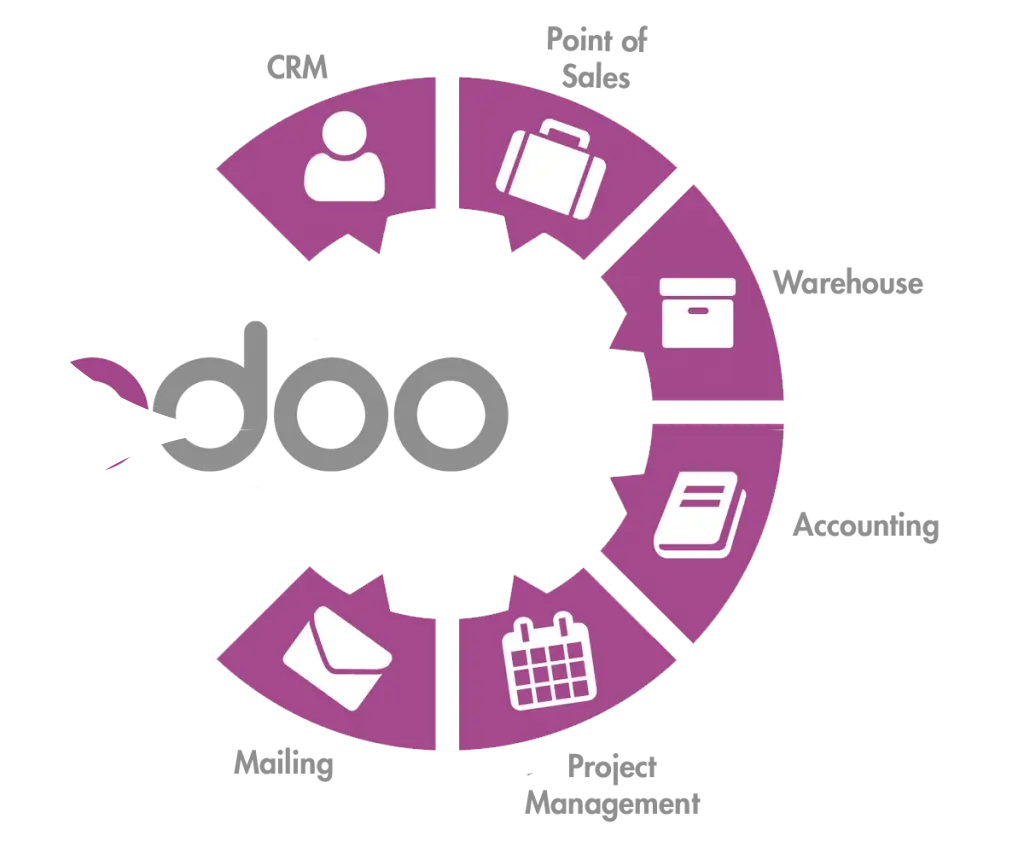
Odoo has a robust invoicing module, capable of managing electronic invoices, automating accounting processes, and adapting to different tax frameworks. In its standard version, it allows the issuance of invoices in structured formats, the control of the collection status, and integration with accounting and customer management.
Additionally, Odoo stands out for its flexibility and customization capabilities, which facilitates adaptation to local regulations such as the Spanish one. Through specific developments or additional modules, the system can be adjusted to future technical requirements set by the Crea y Crece Law.
Is Odoo fully prepared?
The short answer is: yes, but with nuances. Odoo provides the necessary technological foundation for electronic invoicing, but full compliance with the Crea y Crece Law will depend on:
- The final publication of the technical regulation.
- The correct configuration of the system.
- Integration with official platforms or approved electronic invoicing service providers, if required by the regulations.
Therefore, many companies choose to rely on specialized partners who ensure that the implementation of Odoo complies not only with current law but also with future updates.
See YouTube Channel for more information
An opportunity beyond obligation
Beyond legal compliance, electronic invoicing in Odoo represents an opportunity to optimize processes, reduce errors, and improve financial management. Automating invoicing not only avoids penalties but also boosts efficiency and business competitiveness.

How to prepare for mandatory electronic invoicing
In light of the upcoming mandatory electronic invoicing in Spain, it is advisable for companies to start reviewing their management systems and internal processes to ensure they can adapt smoothly to the new regulations. Anticipating these changes helps avoid last-minute rushes and facilitates a more orderly transition to digital management models.
Using an ERP like Odoo facilitates this process, as it centralizes invoicing, accounting, and customer information in a single system. This allows companies to prepare their invoicing flows to integrate with electronic invoice exchange platforms and comply with traceability and information retention requirements.
Some recommended actions to prepare are:
Review the current invoicing system and its compatibility with structured electronic formats.
Ensure that invoices include all mandatory tax data.
Keep customer and supplier information up to date.
Evaluate integrations with electronic invoicing platforms or service providers.
Obtain specialized advice to correctly adapt the system to Spanish regulations.
Adopting these measures in advance will make the transition to electronic invoicing easier and allow the company to take advantage of the benefits of digitalization from the very beginning.

Conclusion
Odoo is prepared to adapt to the requirements of the Crea y Crece Law, as long as it is configured correctly and meets the final technical requirements. Getting ahead of electronic invoicing will allow companies to comply with regulations and improve the efficiency of their processes.
More than 50,000 companies use Odoo
to grow their business.
Join us to make your company a better place.